So maybe “Protocols First” wasn’t the best way to kick-start Agentic Commerce?

A joke around SF fintech circles recently “Which are more numerous Agentic Commerce protocols or actual transactions?”. My own agents are tracking about 42 different potocols as of this week. But then again, it’s only Monday.

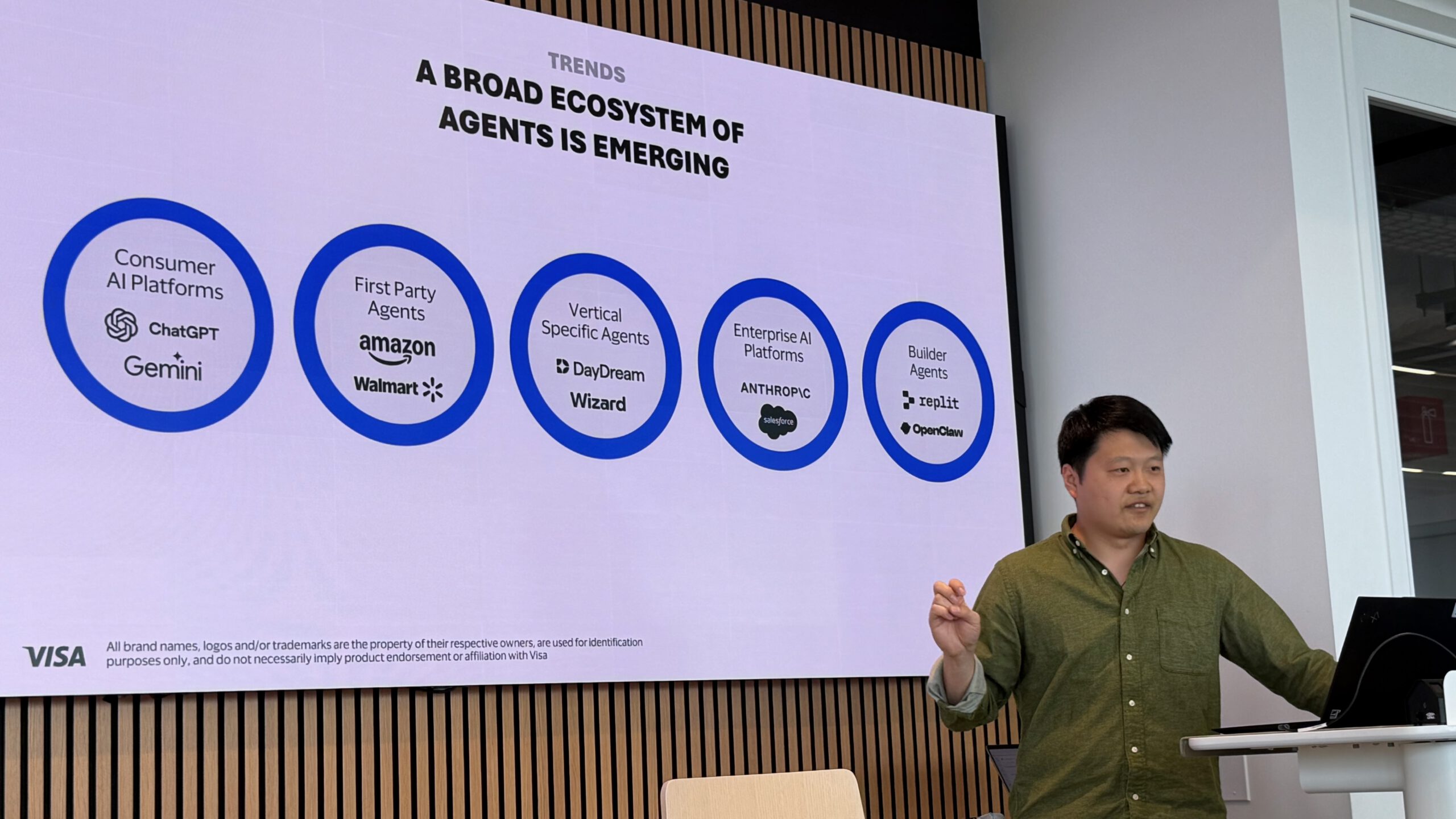
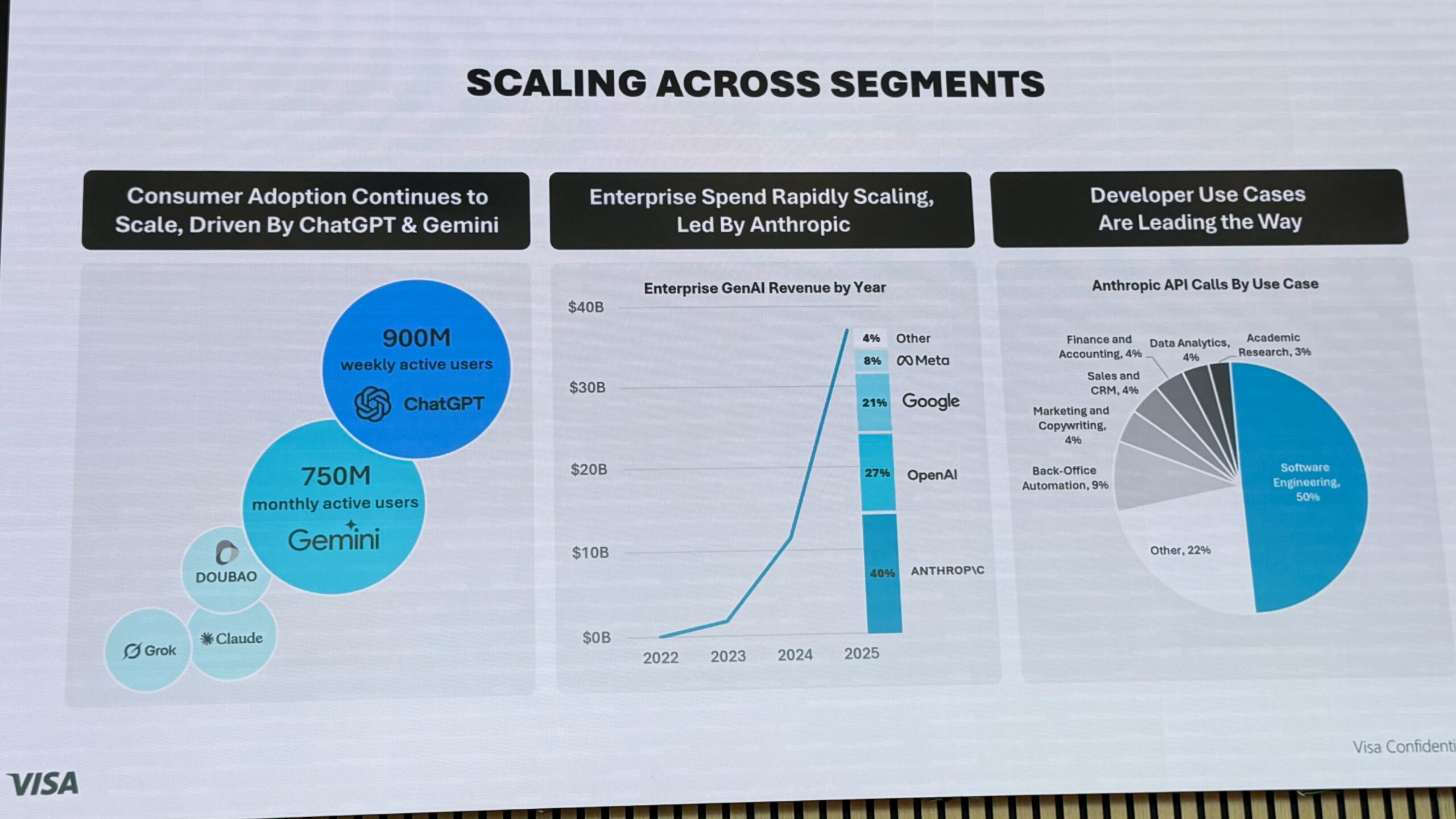
This much is clear. Consumers and buyers are adopting AI in general for commerce. For inspiration, for the broad knowledge power or AIs and as more efficient interface. AI-led journeys are already eating the traditional commerce funnel from the top down. Merchants are seeing organic and traditional channel click traffic disappearing and are crying out for answers on how to not to just maintain traffic and visibility in a new world of AI intermediation, but also strategically on implications to brand, loyalty and margins.

But those are not, exactly, the questions that the protocol makers, namely the tech companies, AI Vendors and payment processing giants seem to be intent on answering. Rather, many of the specifications launched so far, suspiciously seem bent on solving for a slightly different question. A question that sounds more like, how best could we lock in our own position as a dominant central point of control in this coming new agentic economy. So this is not exactly answering what the actual end users (buyers and sellers) were asking for.

And so we are seeing some slow adoption, and a number of false starts. OpenAI backing away from owning checkout as Walmart reporting that ChatGPT checkout converting 3x worse than it’s own website.

Of course, and in defense of my fellow technologist, we have to start somewhere. And many of these protocols ARE stating to define some useful and necessary primitives, and starting to build up from there. But necessary is not the same as sufficient.

Payment primitives are needed. However, stateless, one-time, one-item purchases is not what makes online business work. LTV is as important as CAC. Recognizing and authenticating returning customers is as important as acquiring new. Just as it’s hard to build a business of off one-time driveby anonymous customers. Sellers are trying to figure out how to build or maintain differentiation, at the same time protocols are trying standardize. There’s a disconnect.

The other thing I see a lot of is, over-thinking about how to port existing commerce flows over to AI. Agentic commerce commerce transition isn’t going to be smoothly spread like peanut butter. It’s going to explode in certain categories and new use cases, while taking much longer than others.

Realize that some things are going to be a lot easier to sell through agents than other things. e.g. Remember how online shopping rolled out the first time. Selling books, travel, auction listing were immediate ecommece success stories, took another decade before Spotify/netflix/Steam business models got sorted out for media, somehow it took 20+ years and a pandemic before digitally ordering fresh food/grocery etc. really got dialed in.

The real solution to Agentic commerce isn’t more solutions. It’s listening to users.

For Sellers, the AI strategy that I advise clients on right now is:

  1. Yes invest in GEO/Discoverability. Your AI content strategy matters, and there is a lot how you optimize you catalog for AI readability.
  2. But also consider, are you selling the right catalog? The skus, the bundles, the payment terms that work best for agentic flows will not be the same
  3. Do invest in differentiating your customers end-to-end experience with your own agents. How to lift and shift your existing business into a new channel, is less likely to succeed that asking properly, how could we treat our customers much better or deliver a version of our products/services that never would have been possible without the help of AI?

For companies focused on buyer enablement:

  1. Focus on what is your buyer’s actual goal? For buyers, simply transacting is never the goal itself, it just a step in the way of the goal. Buyers asking for breadth and immediacy of AI models to help them make smarter more informed choices. Or buyers are increasingly turning to agents, or swarms of agents to plan and even run whole projects which might likely entail baskets of purchases, repeat purchases or managing to a budget.
  2. Build yourself an end-to-end view of an entire commerce journey. Solving any one step in a buyers’ journey won’t grow you any volume if adjacent steps are still blocked. Completely unblocking journeys
  3. Niche-down on where agentic commerce is actually happening, then scale upwards and out. These will categories, usecases and markets where the barriers are lowest, the gains from agentic intermediation are highest, and where the buyers and sellers are most willing. I’m watching amazing AI-native commerce patterns are emerging first, kindof where you’d expect: agents buying api access, access to data, or hiring other ai agents to delegate tasks. Think developer tool, digital marketing and sales stacks and services. There are patterns and playbooks rapidly evolving in these early-adopter niches that absolutely will be extensible to broader and larger segments in short order.

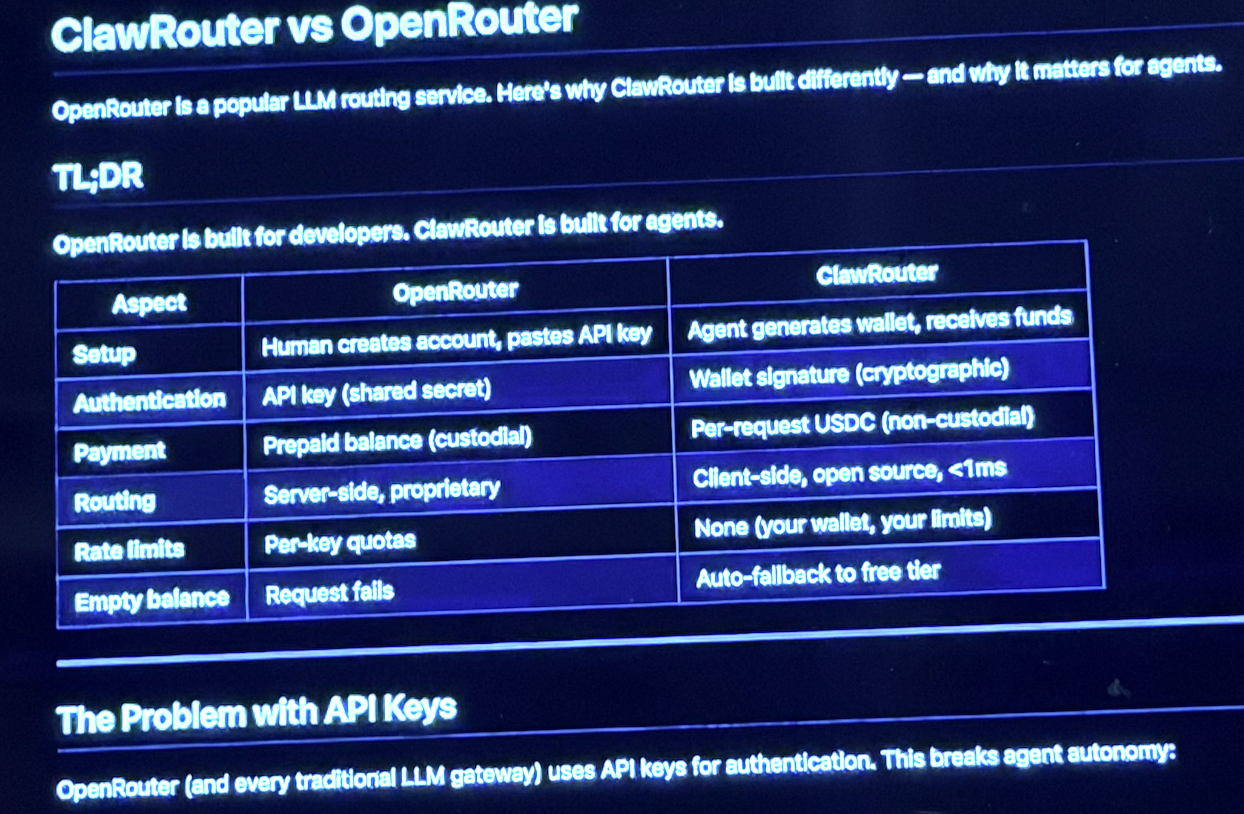
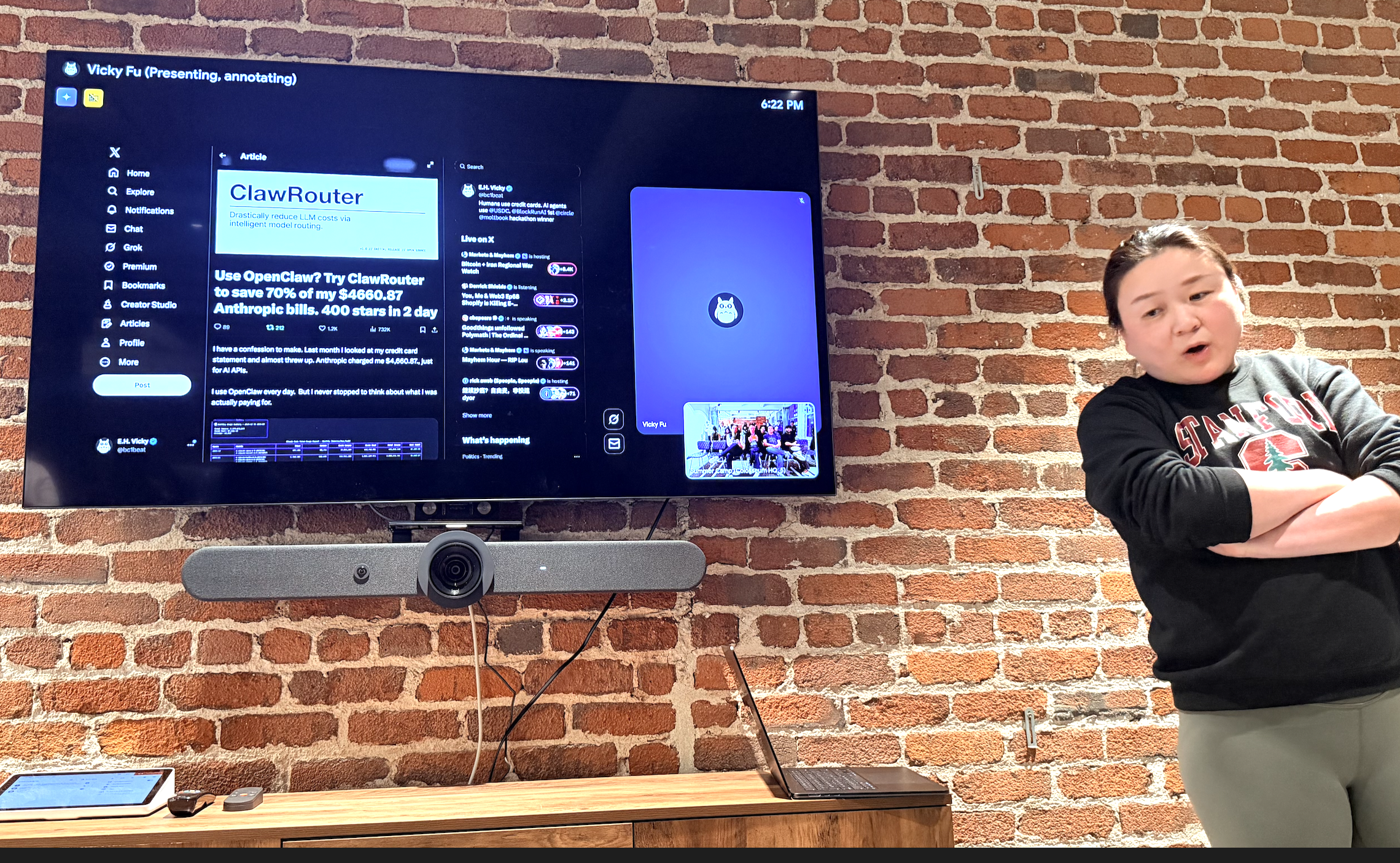
Doing it right: hat tip Vicky Fu’s ClawRouter demo at Lobster.cash demo night 03/04/26. Differentiating by rethinking buying experience for agents.

Posted in Agentic Commerce, AI, fintech | Leave a comment

Never argue with someone who buys their ink by the barrel.

Building an excellent harness yourself is exhausting work. It’s risky, it’s fragile, you’ll never get to perfection. Meanwhile competing against against the big AIs that buy all their tokens at cost is also a recipe to get crushed. Don’t start an argument with someone who buys ink by the barrel they said. All that said…

LLMs have become commodity. The real value now is in how you harness them.

A year ago “that’s just a wrapper company” may well have been the ultimate pejorative. I really don’t think so anymore. Context is king in AI, and specifically how effectively you use your context window, and that makes wrappers everything.

NOT trying to do everything in an LLM is key, using tools, api calls, timely data sources, memories, deterministic code or rules engines wherever possible. This is how agentic systems do real work and do it dependably. The rules, the orchestration, the library of tools, the automation, the security, the deployment, the evals, the model/cost/performance optimization is crazy work. It’s the work of the harness. Spend a season building enterprise-grade agentic systems, or just a week setting up your OpenClaw and you’ll understand first hand.

RIP wrappers. All hail the harnesses.

Posted in Agentic Commerce, AI | 1 Comment

Agentic Commerce Will happen in 3 Stages

1. Ships in the Night:
consumers mass-adopt AI, merchants too mass adopt AI. But these AI usecases don’t talk to each other.  55% of consumers this holiday season used AI to help them with shopping for search, product recommendations etc. But all ending up checking out on a traditional website. Brands meanwhile have gone ham on AI for marketing content, ops/customer service automation etc. But all this AI for connecting with traditional humans.

2. The Transition Era.
Think of ‘first contact’ between a customer’s preferred AI and the merchant’s AI. We’re still talking about selling the same kinds of widgets to the same kind of customers. However,this time the journey connects end-to-end from the consumer’s starting AI surface straight through to completed purchase. Even for the simplest possible categories of purchases or baskets.

Key to this phase is any generous definition of merchant being ‘AI ready’. Where merchant has (intentionally) exposed any machine-friendly interface that bots can work with. AI’s clumsily controlling the users browser to click through web UIs doesn’t count. First-party AIs where the merchant offers it’s own shopping chatbot doesn’t really count either (although that’s a whole strategy too). Getting to this phase is the main battleground over the last year amongst the tech giants, with several competing technologies and protocols for Agentic Commerce being bandied about.

Now, don’t underestimate the grind of phase 2. Horizontally scaling any new acceptance technology can literally take decades. But there will be some breakout successes and niche early winners. Which brings us to…

3. Disruption by new AI-native business models.
You couldn’t have had Amazon, Ebay or Netflix without the original internet. You couldn’t have had Uber, Tinder, Robinhood without mobile. Similarly, the new modalities and possibilities of AI to AI interactions will allow whole new value propositions while removing old operating constraints and assumptions. Here’s one example: today it’s often better to leave some money on the table in the interest of product and pricing simplicity. Good better best, and simple to explain pricing are sensible constraints when you have to work around the cognitive load of human buyers or human sales staff. AIs don’t have these same constraints. Instead imagine much more granular and flexible product bundling, feature selection and then pricing negotiation optimizing for how much to pay and when to pay, dynamically optimized by individual buyer and sellers’ rational but individualistic preference curve for value now vs value later vs trust & risk tolerance etc.

Crucial to this particular vision though, is one important but non-trivial assumption. That each side to an Agentic Commerce transaction has some agent that they feel they can trust with their private information to be aligned to their best interests.

Posted in Agentic Commerce, fintech | Tagged , | Leave a comment